Getting Ready for Defence and Aerospace Work

Supplier readiness begins with understanding a specific customer’s requirements.
A shop owner hears about an opportunity in defence or aerospace and begins considering new certifications. Before committing money, there is a more useful first question: what work could this shop realistically supply, and what would that customer require?
The answer depends on the part, contract and position in the supply chain. Treating either sector as one uniform market can lead to expensive preparation without a clear commercial target.
Start with the work
Define the capabilities the shop can demonstrate today. Materials, part size, process control, inspection and reliable delivery all belong in that discussion. Then identify customers whose requirements fit those strengths.
Ask potential customers about supplier qualification, applicable quality standards, traceability, outside processing and required records. A quality certification may be necessary for a particular opportunity, but it does not replace understanding the purchase requirements.
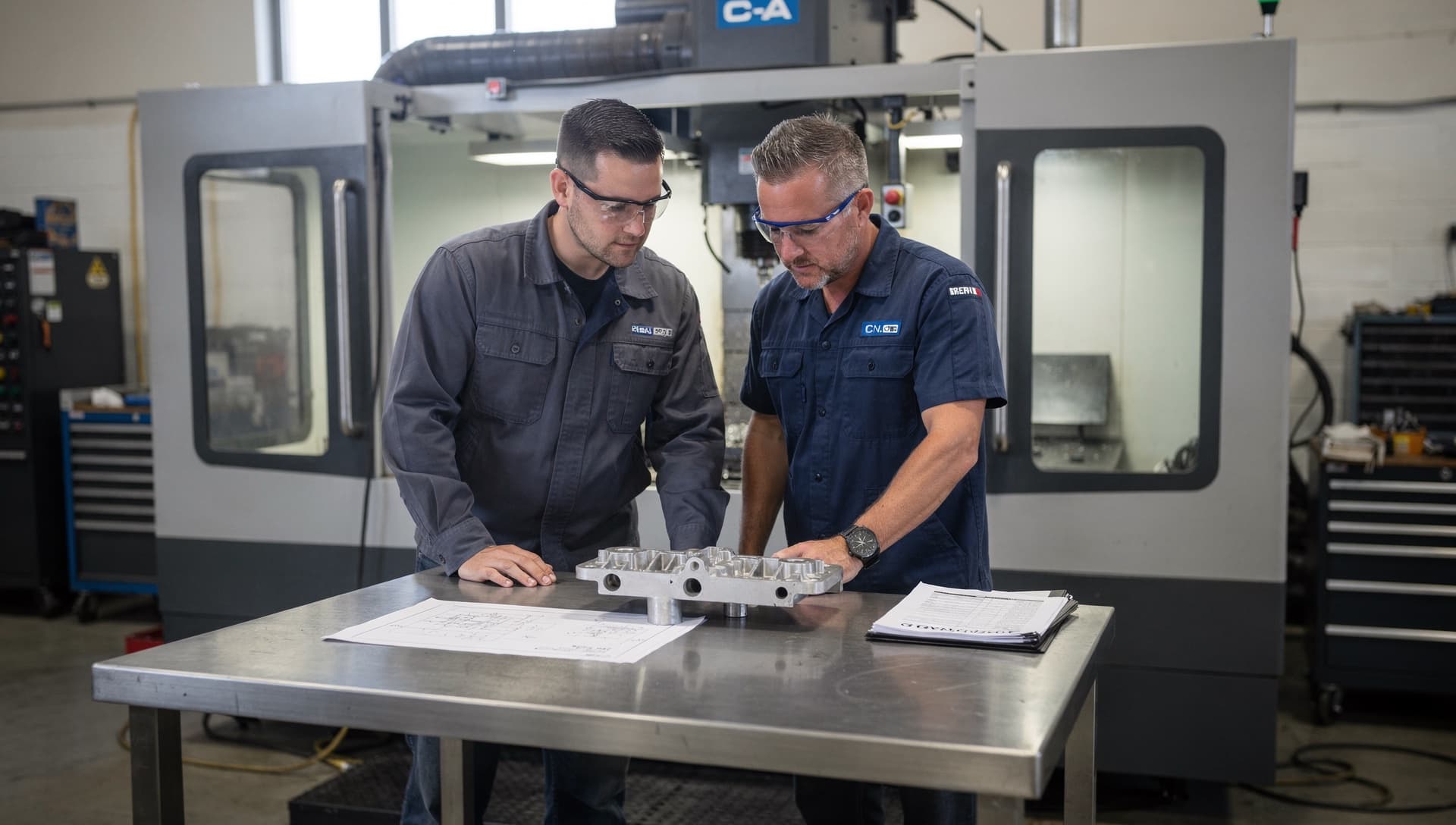
The shop needs to be able to show how work is controlled. Which drawing revision is in use? How is material identified? What happens when a part does not conform? Who approves a change? These questions connect the quality system to everyday decisions.
Understand access before accepting information
Some defence work involves controlled goods, including associated technical data. Public Services and Procurement Canada states that subcontractors intending to examine, possess or transfer controlled goods in Canada must register in the Controlled Goods Program before access, unless exempt or excluded. Determine applicability before receiving that material.
Security, cybersecurity, export controls and other qualification requirements can also depend on the opportunity. Confirm the obligations with the customer and the relevant authorities. One registration or certificate should never be assumed to cover every requirement.
Build a commercial plan
Preparation consumes management time as well as money. Identify the gaps, assign responsibility and estimate the work needed to close them. Connect that investment with a realistic customer-development plan.
Canada’s guidance on Industrial and Technological Benefits notes that major defence companies choose their Canadian business partners and that suppliers must be competitive in price, quality and delivery. An opportunity in the market still has to become a workable supplier relationship.
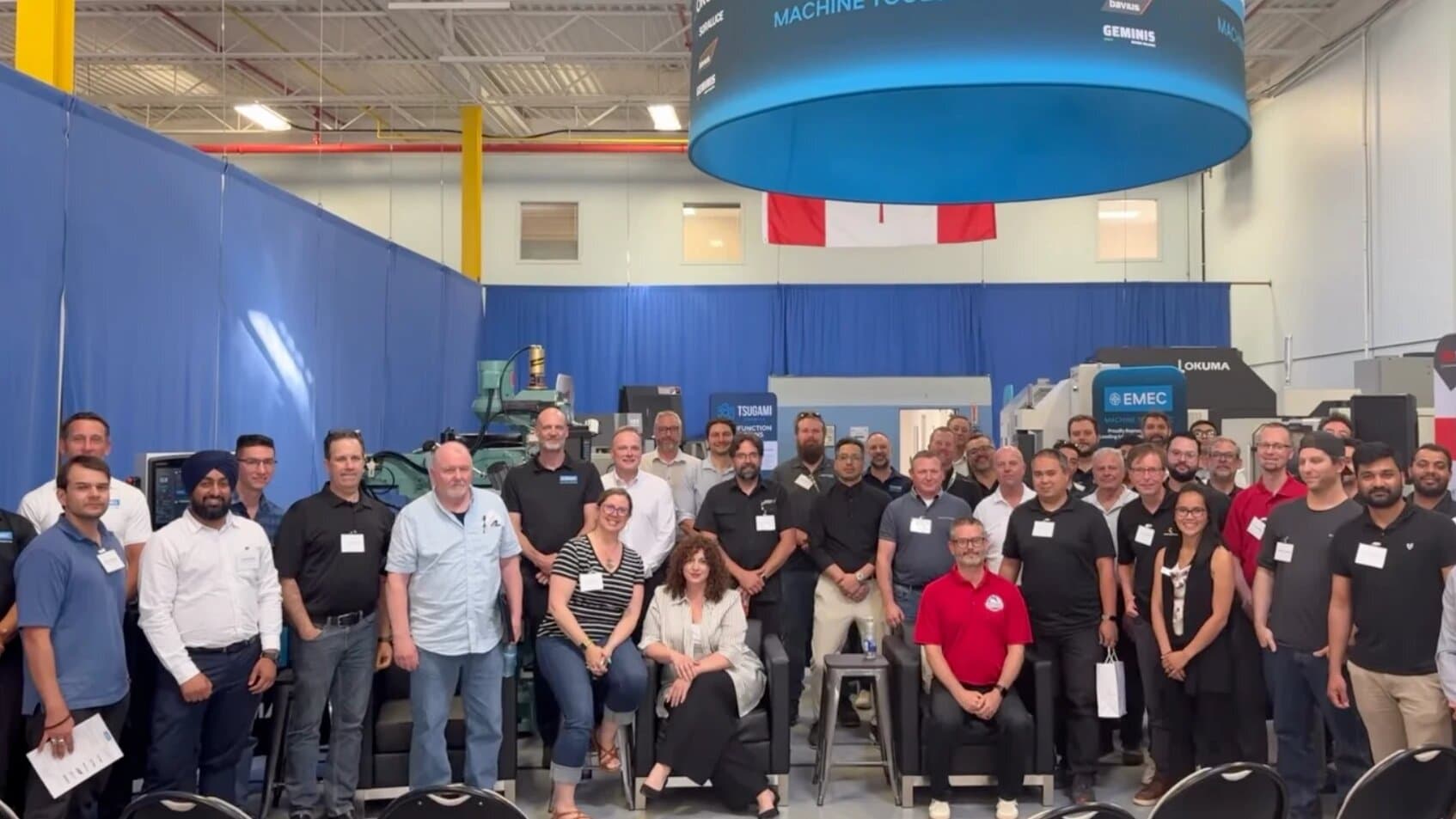
Meet buyers and established suppliers, ask informed questions and learn how they evaluate new companies. A narrow, credible capability statement is more useful than a broad promise to make anything.
Readiness is demonstrated through consistent work and reliable records. For a machine shop considering these sectors, the strongest first move is to understand the target customer well enough to prepare for the right opportunity.
Do machine shops need to register in the Controlled Goods Program?
It depends on what the shop will access. Public Services and Procurement Canada gives the example of a subcontractor making landing gear. If neither the technical data nor the landing gear is a controlled good, and the subcontractor will not examine, possess or transfer controlled goods, it does not need to register. If it receives controlled technical data to make the part, it must register.
Registration involves appointing a designated official, security assessments of key people and training for staff who handle controlled goods. The program can suspend or revoke a registration, and a conviction can bring a fine of up to $2,000,000, imprisonment of up to 10 years, or both. Confirm whether the work is controlled before any drawings or data reach the shop.
Does a machine shop need AS9100 for aerospace work?
Often, though the customer sets the requirement. AS9100 is the quality management standard for the aviation, space and defence industries. It is built on ISO 9001 and adds aerospace requirements such as product safety, configuration management and traceability. An accredited third party audits and certifies the shop, and major aerospace manufacturers commonly require the certification from their suppliers.
A certificate does not make a shop an approved supplier. Each customer still applies its own qualification process, so ask whether AS9100 is required for the specific work before starting on it.
Sources
- Public Services and Procurement Canada, When subcontractors must register in the Controlled Goods Program
- Public Services and Procurement Canada, Controlled Goods Program roadmap
- DNV, AS9100 certification
- Innovation, Science and Economic Development Canada, How to get involved in Industrial and Technological Benefits
Written by Darryl Gratrix, co-founder of the Ontario Machining Alliance. The Controlled Goods and AS9100 questions were added by OMN. For what each credential tells a buyer, read A buyer's guide to machine shop certifications in Canada. If your shop needs help preparing, OMN can connect you with certification and compliance support.