What Buyers Wish Machine Shops Included in Their Quotes
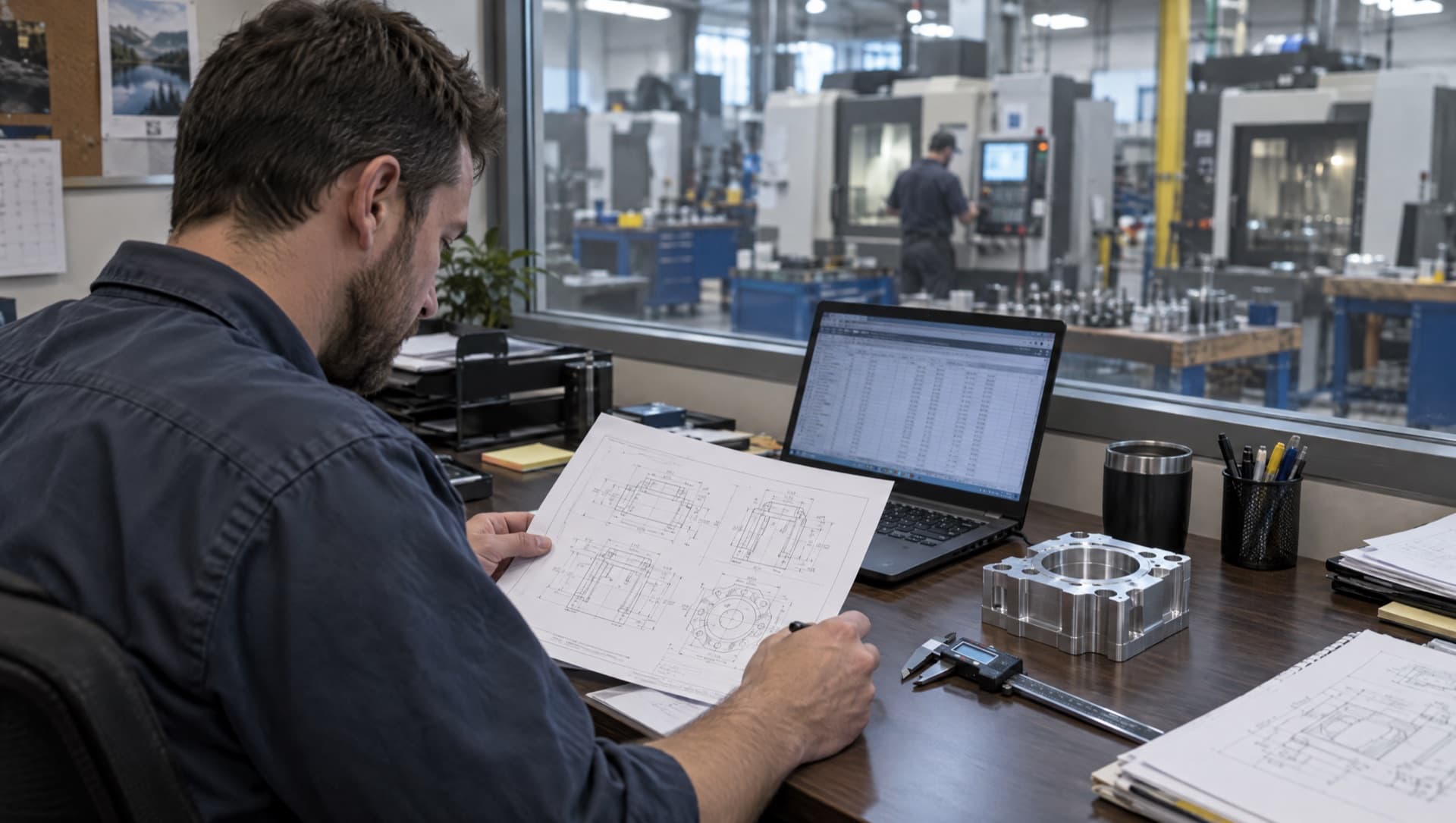
A useful quotation helps someone make a decision without filling the gaps themselves.
Put yourself in the buyer’s chair. Three quotations have arrived for the same part. The prices differ, delivery descriptions are vague and one supplier has excluded something the others have not mentioned.
Choosing now involves more than comparing numbers. The buyer must work out whether the quotations describe the same purchase.
A machine shop can make that decision easier by showing exactly what its price covers and where clarification is still needed.
Define the scope
Identify the part number, drawing revision, quantity and material. Explain whether the price includes material supply, outside processing, inspection reports, packaging and freight. If setup or tooling is charged separately, say so where the buyer will see it.
Assumptions deserve equal attention. If the quotation depends on customer-supplied material, a particular finish or approval of a manufacturing proposal, make that condition explicit. An assumption that remains inside the estimator’s head can become a dispute after the order arrives.
Alternatives can help, provided the requested specification remains clear. A shop might offer a price for the specified process and a separate option for a proposed change, subject to written customer approval. That lets the buyer evaluate an idea without mistaking it for an accepted substitution.
Customers also need to understand the full cost of fixturing, especially when automation is involved. Explain what the quote includes for fixture design, manufacture, proving and any anticipated changeovers. Clarify ownership, storage and how later design changes would be priced. A fixture suitable for manual loading may need additional development for automated handling.
Discuss foreseeable obstacles before the order is placed: part presentation, gripping, access, chip accumulation, inspection and integration can affect the plan. Identify unresolved risks and explain how additional work will be authorized. Customers should understand which costs are firm, which are estimates and what could change them.
Explain what starts the clock
“Four weeks” leaves room for interpretation. Is that four weeks from the purchase order, material receipt, drawing approval or another event? Does it describe shipment or arrival?
State the starting condition and distinguish a quoted lead time from a reserved production slot. Explain how availability will be confirmed when the order is placed.
Payment terms and quotation validity should be easy to find. So should the person who can answer technical questions. A buyer should not have to search through a generic inbox to resolve a detail holding up approval.
Demonstrate understanding
One thoughtful observation about a difficult feature can show more competence than a page of broad claims. Explain a manufacturing concern, ask a precise question or identify an inspection requirement that affects the plan.
The quotation does not need to become a technical report. It needs enough detail for the customer to understand the offer and compare it fairly.
A clear quote gives the buyer a reason to trust the next stage of the relationship. It shows that the shop has read the requirements, recognized the risks and thought about how the work will move forward.
Written by Darryl Gratrix, co-founder of the Ontario Machining Alliance. For the buyer’s side of the same process, read How to Get CNC Machining Quotes in Ontario.